What Factors Influence the Cost of Gravel for Home or Commercial Projects?

Home Icon
Contractor X
August 22, 2024

Easy steps to create a color palette

Lorem ipsum dolor sit amet, consectetur adipiscing elit. Integer libero molestie gravida morbi aliquam, dui neque pharetra. Egestas accumsan, potenti pulvinar nisl a turpis sit sed vitae netus sed quis eget sed nunc ac faucibus lacus arcu aliquet lorem ut mauris amet tempor nunc sed cursus integer eget tellus in eu a est.

  • Neque sodales ut etiam sit amet nisl purus. Non tellus orci ac auctor.
  • Adipiscing elit ut aliquam purus sit amet. Viverra suspendisse potenti.
  • Mauris commodo quis imperdiet massa tincidunt nunc pulvinar.

What is a color palette?

Lorem ipsum dolor sit amet, consectetur adipiscing elit ac varius duis sed amet arcu pellentesque ipsum dui, pellentesque facilisis vitae feugiat dui vel quis consectetur sed aliquet platea nulla varius dignissim eget vel in nec nulla mauris at amet vitae pharetra id lectus rhoncus, erat sed.

Why defining interior color schemes is so important

Lorem ipsum dolor sit amet, consectetur adipiscing elit commodo risus eget feugiat amet pellentesque massa morbi in montes, pharetra id sagittis, sed. Id consequat nam egestas enim eu elementum sed at nibh.

  1. Neque sodales ut etiam sit amet nisl purus non tellus orci .
  2. Adipiscing elit ut aliquam purus sit amet viverra .
  3. Mauris commodo quis imperdiet massa tincidunt nunc.
  4. Adipiscing elit ut aliquam purus sit amet viverra suspendisse.

Why defining interior color schemes is so important

Nisi quis eleifend quam adipiscing vitae. Aliquet bibendum enim facilisis gravida neque. Velit euismod in pellentesque massa placerat. Volutpat lacus laoreet non curabitur gravida. Odio aenean sed adipiscing diam donec adipiscing tristique risus. Amet est placerat in egestas erat imperdiet sed euismod nisi.

What is your favorite color palette?

Eget lorem dolor sed viverra ipsum nunc aliquet bibendum. Felis donec et odio pellentesque diam volutpat commodo sed egestas. Aliquam sem fringilla ut morbi tincidunt augue interdum velit euismod. Eu tincidunt tortor aliquam nulla facilisi. Aenean sed adipiscing diam donec adipiscing. Ut lectus arcu bibendum at varius.

If you’ve ever tried to figure out the cost of gravel and seen every quote come back different, you’re not alone. The price moves more than it looks. And when you don’t know why, budgeting turns into guesswork.

Gravel looks basic. Rock is rock, right? Not quite. Different materials, sources, and delivery setups can swing the price fast. Sometimes a little, sometimes a lot.

So before you start searching “gravel prices near me” and hoping for a magic number, it helps to understand what actually drives the cost.

The Type of Gravel You Choose

Gravel isn’t one product. It’s dozens of products. And each one has its own story, its own look, and its own price.

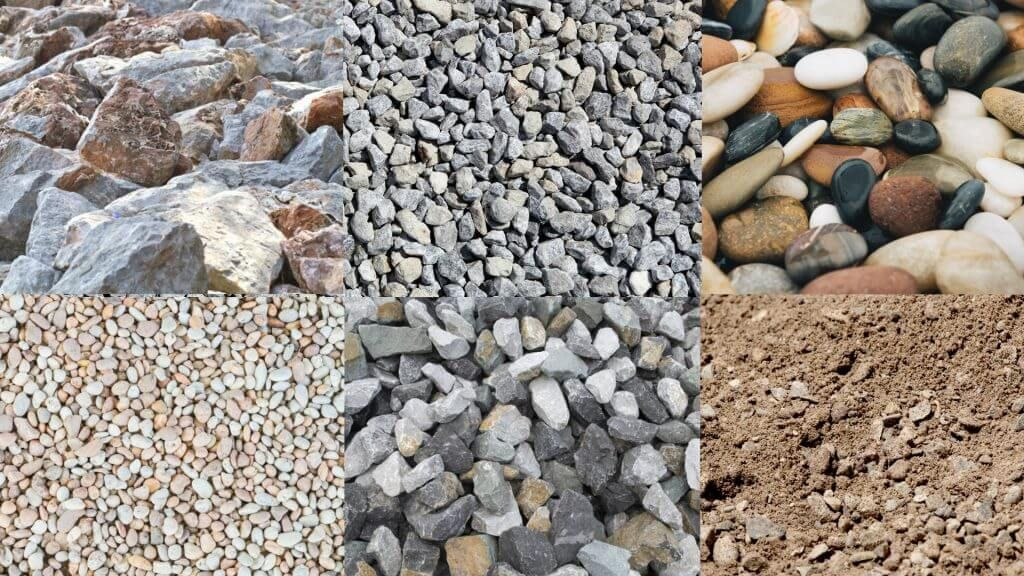
You’ll see crushed rock, pea gravel, river rock, decomposed granite, base material, recycled concrete, and specialty blends. Every type serves a different purpose, and every type hits your budget differently.

Each one comes with a different price tag.

Why? Because each material requires different sourcing, processing, and transportation.

  • Crushed rock costs more because it’s mechanically broken down and sorted.
  • Pea gravel is a lot smoother and more rounded by nature; thus, the availability is very limited to a specific region.
  • Ornamental or premium rock is more expensive as you mainly pay for the look, the uniformity, and the longer production ​‍​‌‍​‍‌​‍​‌‍​‍‌process.
  • Decomposed granite goes through more screening to get that fine texture people like for walkways and patios.
  • Recycled concrete tends to be cheaper but not always ideal for aesthetics.

If you search “gravel prices near me” and you see a huge spread between options, don’t panic. It’s normal. Different types simply cost different amounts to produce and haul in.

Quantity Makes a Bigger Difference Than People Expect

Here’s where a lot of homeowners get tripped up. Gravel​‍​‌‍​‍‌​‍​‌‍​‍‌ is generally sold at a lower price per ton if you buy a larger quantity. The reason is that a small order may be priced higher per unit just because the supplier has to spend the same labor, fuel, and time to prepare a small load as a big one.

Think of it like buying a single bottle of water versus a whole case. The unit price changes fast.

For commercial buyers, this is even more important. Ordering in bulk or combining materials into one delivery can shave a surprising amount off your total.

Your Distance From the Source or Yard

This one’s big enough to make or break your budget. Even if the material itself is cheap, the delivery is where costs can jump.

Things like fuel, time, truck size, and load weight all play a role in the final number.

If the quarry or distribution yard is close, you’ll notice the savings right away. If you’re far out or your job site is tricky to access, expect the overall cost of gravel to increase based on transport alone.

A general rule:

The farther the trip, the higher the price per ton.

This is also why typing “gravel prices near me” into Google gives you wildly different results depending on your ZIP code. Gravel is heavy, and moving heavy stuff isn’t cheap.

Delivery Method and Truck Requirements

Not every job can take the same truck.

Sometimes you need a flatbed with super sacks. Other times, you need a dump truck or a small utility truck for tight spaces.

Different trucks cost different amounts to operate.

Different jobs require different handling.

And if you’re ordering multiple materials, some can be combined in one truck while others have to be separated. That changes the price, too.

The Season and Market Demand

Just like lumber, steel, or fuel, gravel pricing can move up and down based on market conditions. When construction season is hot, and everyone’s building, gravel costs can climb. When demand slows down, prices might ease up a bit.

Weather plays a role, too.

Heavy rain. Storms. Heat waves. All of it affects production, hauling, and project schedules, which means pricing isn’t always steady year-round.

Quality, Screening, and Processing

This part often gets overlooked. Two materials may look similar in a picture, but the difference in quality becomes obvious once the truck shows up.

Higher quality gravel costs more because:

  • It has fewer fines

  • It’s screened more consistently

  • It has tighter size control

  • It compacts better

  • It lasts longer

If you are performing a commercial job or making something of a structural nature, you should not opt for a low-quality, inconsistent rock. It may cause your team to be less efficient, increase time costs, and create issues in the future. Thus, a slightly higher payment at the beginning is often equal to less trouble on the ​‍​‌‍​‍‌​‍​‌‍​‍‌site.

Local Supply vs Imported Material

Some regions naturally have access to river rock, pea gravel, or decomposed granite. Other regions don’t. When a material has to be sourced from farther away, the price rises. It’s not about the rock itself being special. It’s about how far it traveled and how much coordination went into getting it to your city.

Imported stone or decorative rock from other states or countries will always cost significantly more for this exact reason.

Site Conditions and Drop Requirements

If your property or job site is straightforward, great. The truck dumps, the team spreads it, and everything moves fast. But if you’re dealing with:

  • Narrow access roads

  • Uneven terrain

  • Tight spaces

  • HOA restrictions

  • Multiple drop points

  • Limited turnaround space

These details can affect the delivery cost.

Some projects require the driver to spend more time navigating the site. Others might need additional equipment. Any of that can influence your total price.

The Supplier You Choose

Not every gravel yard or materials supplier works the same way.
Some offer better pricing because they handle high volume or have strong relationships with quarries. Others specialize in certain materials. Some charge hidden fees. Some don’t.

Choosing the right supplier matters for consistency and reliable delivery. An established partner like Western Materials saves time, stress, and money. When they know the material, region, and logistics, pricing is clearer and surprises are fewer.

So, How Do You Get the Best Price?

A few simple tips:

  1. Know exactly what material you need.

  2. Ask for pricing by ton or cubic yard and compare apples to apples.

  3. Order enough so you’re not paying small-order premiums.

  4. Combine materials into one delivery whenever possible.

  5. Choose a supplier that actually understands your project.

  6. Don’t just look at the cost of gravel. Look at the full delivered cost.

The more direct you are with your supplier, the better your numbers will be.

Final Thoughts

The cost of gravel isn’t random. It’s shaped by material type, distance, supply, delivery, and the unique details of your project. Once you understand the moving parts, it becomes a whole lot easier to plan and budget without surprises.

If you want straightforward pricing, fast delivery, and people who won’t overcomplicate the process, get a quote from Western Materials. They’ll walk you through options, help you compare materials, and give you a number that actually makes sense for your project.

Get your fast, no-nonsense gravel quote from Western Materials today.

FAQ

What factors influence cost?

Material type, delivery distance, order size, and truck requirements all shape the final price you’ll pay.

What is the cheapest way to get gravel?

Buy in bulk, choose locally available material, and keep delivery distance short to cut costs fast.

What is an influencing factor when identifying project costs?

Clear project details, accurate measurements, and knowing the exact material needed make estimates far more reliable.

What is the purpose of gravel in construction?

Gravel creates strong foundations, improves drainage, and keeps structures stable so everything holds up over time.

What Factors Influence the Cost of Gravel for Home or Commercial Projects?

Published on:

December 9, 2025

If you’ve ever tried to figure out the cost of gravel and seen every quote come back different, you’re not alone. The price moves more than it looks. And when you don’t know why, budgeting turns into guesswork.

Gravel looks basic. Rock is rock, right? Not quite. Different materials, sources, and delivery setups can swing the price fast. Sometimes a little, sometimes a lot.

So before you start searching “gravel prices near me” and hoping for a magic number, it helps to understand what actually drives the cost.

The Type of Gravel You Choose

Gravel isn’t one product. It’s dozens of products. And each one has its own story, its own look, and its own price.

You’ll see crushed rock, pea gravel, river rock, decomposed granite, base material, recycled concrete, and specialty blends. Every type serves a different purpose, and every type hits your budget differently.

Each one comes with a different price tag.

Why? Because each material requires different sourcing, processing, and transportation.

  • Crushed rock costs more because it’s mechanically broken down and sorted.
  • Pea gravel is a lot smoother and more rounded by nature; thus, the availability is very limited to a specific region.
  • Ornamental or premium rock is more expensive as you mainly pay for the look, the uniformity, and the longer production ​‍​‌‍​‍‌​‍​‌‍​‍‌process.
  • Decomposed granite goes through more screening to get that fine texture people like for walkways and patios.
  • Recycled concrete tends to be cheaper but not always ideal for aesthetics.

If you search “gravel prices near me” and you see a huge spread between options, don’t panic. It’s normal. Different types simply cost different amounts to produce and haul in.

Quantity Makes a Bigger Difference Than People Expect

Here’s where a lot of homeowners get tripped up. Gravel​‍​‌‍​‍‌​‍​‌‍​‍‌ is generally sold at a lower price per ton if you buy a larger quantity. The reason is that a small order may be priced higher per unit just because the supplier has to spend the same labor, fuel, and time to prepare a small load as a big one.

Think of it like buying a single bottle of water versus a whole case. The unit price changes fast.

For commercial buyers, this is even more important. Ordering in bulk or combining materials into one delivery can shave a surprising amount off your total.

Your Distance From the Source or Yard

This one’s big enough to make or break your budget. Even if the material itself is cheap, the delivery is where costs can jump.

Things like fuel, time, truck size, and load weight all play a role in the final number.

If the quarry or distribution yard is close, you’ll notice the savings right away. If you’re far out or your job site is tricky to access, expect the overall cost of gravel to increase based on transport alone.

A general rule:

The farther the trip, the higher the price per ton.

This is also why typing “gravel prices near me” into Google gives you wildly different results depending on your ZIP code. Gravel is heavy, and moving heavy stuff isn’t cheap.

Delivery Method and Truck Requirements

Not every job can take the same truck.

Sometimes you need a flatbed with super sacks. Other times, you need a dump truck or a small utility truck for tight spaces.

Different trucks cost different amounts to operate.

Different jobs require different handling.

And if you’re ordering multiple materials, some can be combined in one truck while others have to be separated. That changes the price, too.

The Season and Market Demand

Just like lumber, steel, or fuel, gravel pricing can move up and down based on market conditions. When construction season is hot, and everyone’s building, gravel costs can climb. When demand slows down, prices might ease up a bit.

Weather plays a role, too.

Heavy rain. Storms. Heat waves. All of it affects production, hauling, and project schedules, which means pricing isn’t always steady year-round.

Quality, Screening, and Processing

This part often gets overlooked. Two materials may look similar in a picture, but the difference in quality becomes obvious once the truck shows up.

Higher quality gravel costs more because:

  • It has fewer fines

  • It’s screened more consistently

  • It has tighter size control

  • It compacts better

  • It lasts longer

If you are performing a commercial job or making something of a structural nature, you should not opt for a low-quality, inconsistent rock. It may cause your team to be less efficient, increase time costs, and create issues in the future. Thus, a slightly higher payment at the beginning is often equal to less trouble on the ​‍​‌‍​‍‌​‍​‌‍​‍‌site.

Local Supply vs Imported Material

Some regions naturally have access to river rock, pea gravel, or decomposed granite. Other regions don’t. When a material has to be sourced from farther away, the price rises. It’s not about the rock itself being special. It’s about how far it traveled and how much coordination went into getting it to your city.

Imported stone or decorative rock from other states or countries will always cost significantly more for this exact reason.

Site Conditions and Drop Requirements

If your property or job site is straightforward, great. The truck dumps, the team spreads it, and everything moves fast. But if you’re dealing with:

  • Narrow access roads

  • Uneven terrain

  • Tight spaces

  • HOA restrictions

  • Multiple drop points

  • Limited turnaround space

These details can affect the delivery cost.

Some projects require the driver to spend more time navigating the site. Others might need additional equipment. Any of that can influence your total price.
The Supplier You Choose

Not every gravel yard or materials supplier works the same way.
Some offer better pricing because they handle high volume or have strong relationships with quarries. Others specialize in certain materials. Some charge hidden fees. Some don’t.

Choosing the right supplier matters for consistency and reliable delivery. An established partner like Western Materials saves time, stress, and money. When they know the material, region, and logistics, pricing is clearer and surprises are fewer.

So, How Do You Get the Best Price?

A few simple tips:

  1. Know exactly what material you need.

  2. Ask for pricing by ton or cubic yard and compare apples to apples.

  3. Order enough so you’re not paying small-order premiums.

  4. Combine materials into one delivery whenever possible.

  5. Choose a supplier that actually understands your project.

  6. Don’t just look at the cost of gravel. Look at the full delivered cost.

The more direct you are with your supplier, the better your numbers will be.

Final Thoughts

The cost of gravel isn’t random. It’s shaped by material type, distance, supply, delivery, and the unique details of your project. Once you understand the moving parts, it becomes a whole lot easier to plan and budget without surprises.

If you want straightforward pricing, fast delivery, and people who won’t overcomplicate the process, get a quote from Western Materials. They’ll walk you through options, help you compare materials, and give you a number that actually makes sense for your project.

Get your fast, no-nonsense gravel quote from Western Materials today.

FAQ

What factors influence cost?

Material type, delivery distance, order size, and truck requirements all shape the final price you’ll pay.

What is the cheapest way to get gravel?

Buy in bulk, choose locally available material, and keep delivery distance short to cut costs fast.

What is an influencing factor when identifying project costs?

Clear project details, accurate measurements, and knowing the exact material needed make estimates far more reliable.

What is the purpose of gravel in construction?

Gravel creates strong foundations, improves drainage, and keeps structures stable so everything holds up over time.