What Makes Concrete Sand Different From Other Construction Sands?

Home Icon
Contractor X
January 7, 2026

Easy steps to create a color palette

Lorem ipsum dolor sit amet, consectetur adipiscing elit. Integer libero molestie gravida morbi aliquam, dui neque pharetra. Egestas accumsan, potenti pulvinar nisl a turpis sit sed vitae netus sed quis eget sed nunc ac faucibus lacus arcu aliquet lorem ut mauris amet tempor nunc sed cursus integer eget tellus in eu a est.

  • Neque sodales ut etiam sit amet nisl purus. Non tellus orci ac auctor.
  • Adipiscing elit ut aliquam purus sit amet. Viverra suspendisse potenti.
  • Mauris commodo quis imperdiet massa tincidunt nunc pulvinar.

What is a color palette?

Lorem ipsum dolor sit amet, consectetur adipiscing elit ac varius duis sed amet arcu pellentesque ipsum dui, pellentesque facilisis vitae feugiat dui vel quis consectetur sed aliquet platea nulla varius dignissim eget vel in nec nulla mauris at amet vitae pharetra id lectus rhoncus, erat sed.

Why defining interior color schemes is so important

Lorem ipsum dolor sit amet, consectetur adipiscing elit commodo risus eget feugiat amet pellentesque massa morbi in montes, pharetra id sagittis, sed. Id consequat nam egestas enim eu elementum sed at nibh.

  1. Neque sodales ut etiam sit amet nisl purus non tellus orci .
  2. Adipiscing elit ut aliquam purus sit amet viverra .
  3. Mauris commodo quis imperdiet massa tincidunt nunc.
  4. Adipiscing elit ut aliquam purus sit amet viverra suspendisse.

Why defining interior color schemes is so important

Nisi quis eleifend quam adipiscing vitae. Aliquet bibendum enim facilisis gravida neque. Velit euismod in pellentesque massa placerat. Volutpat lacus laoreet non curabitur gravida. Odio aenean sed adipiscing diam donec adipiscing tristique risus. Amet est placerat in egestas erat imperdiet sed euismod nisi.

What is your favorite color palette?

Eget lorem dolor sed viverra ipsum nunc aliquet bibendum. Felis donec et odio pellentesque diam volutpat commodo sed egestas. Aliquam sem fringilla ut morbi tincidunt augue interdum velit euismod. Eu tincidunt tortor aliquam nulla facilisi. Aenean sed adipiscing diam donec adipiscing. Ut lectus arcu bibendum at varius.

Most people assume sand is just sand. It looks similar in a pile. It feels the same when you run it through your hands. But once it’s mixed, poured, or finished, the differences become obvious. That’s usually when contractors and builders start asking questions about concrete sand and why certain mixes perform better than others.

At Western Materials, we see this confusion regularly. Projects don’t fail because of the big decisions. They fail because of the small material choices that get overlooked. Sand is one of those materials. It plays a much larger role in strength, finish, and durability than most people expect.

Not All Sand Is Meant for Structural Work

Construction sand comes in many forms. Each type is processed differently, graded differently, and intended for specific applications. Using the wrong one does not always cause immediate failure, which makes mistakes harder to catch early.

Some sands are too fine. Others are too rounded. Some contain impurities that weaken mixes over time. Concrete applications demand consistency, angularity, and proper gradation. Without those qualities, strength, and bonding suffer.

This is why understanding sand types matters before anything gets mixed or poured.

What Defines Concrete Sand

Concrete sand is manufactured and graded specifically for use in concrete and related structural applications. It is typically coarse, angular, and free of excess fines. Those angular edges allow particles to lock together when combined with cement and aggregate.

This structure creates internal strength. It reduces voids. It improves load distribution. These characteristics are what allow slabs, footings, and structural elements to hold up over time.

When builders choose concrete sand, they are choosing predictability. The mix behaves the same way from batch to batch, which matters on active job sites.

Why Particle Shape Matters More Than People Think

Round sand particles slide past each other. Angular particles grip.

That difference alone explains why certain sands fail in structural mixes. Rounded sands may feel smoother, but they lack the interlocking ability required for strength. Concrete relies on friction as much as it relies on cement.

Angular sand creates resistance inside the mix. That resistance is what gives concrete its compressive strength. Without it, mixes may cure, but they won’t perform the way they should.

How Other Sands Are Commonly Misused

Problems often start when builders substitute sands meant for finishing or aesthetic purposes into structural mixes. These sands may look clean, but their grading is wrong for load-bearing work.

This is where washed plaster sand is sometimes misunderstood. It is processed for smoothness and cleanliness, not structural interlock. It performs well in surface applications but behaves differently once stress is applied.

Using it incorrectly does not always cause immediate cracks. The issues usually show up later, under weight or environmental stress.

The Role of Washed Plaster Sand in Construction

Washed plaster sand has its place. It is clean, fine, and consistent. That makes it ideal for plastering, masonry finishes, and surface work where smooth texture matters more than internal strength.

Because it is washed, impurities are removed. That improves workability and finish quality. But the fine grading means it does not create the same internal resistance as coarser sands.

This is why washed plaster sand should be limited to applications for which it was designed. When used correctly, it performs exceptionally well.

Why Mixing Sands Creates Inconsistent Results

Some crews attempt to blend sands to achieve desired results. While this can work in controlled environments, it introduces variability on job sites.

Small changes in ratios affect curing, shrinkage, and finish. Without precise control, results vary from pour to pour. Consistency becomes difficult to maintain.

Professionals rely on purpose-graded materials to avoid this variability. Clear separation between structural and finishing sands reduces risk.

Common Sand Selection Mistakes

  • Assuming all sand performs the same
  • Choosing based on appearance instead of grading
  • Substituting finishing sand in structural mixes
  • Ignoring particle shape and angularity
  • Overlooking contamination or excess fines
  • Mixing sands without controlled ratios
  • Using leftover materials from other jobs
  • Prioritising cost over performance
  • Failing to match sand to application requirements

Most of these mistakes don’t show up immediately, which makes them easy to repeat.

Job-Site Performance Depends on Consistency

Consistency is what keeps schedules on track. When materials behave predictably, crews move faster. When they don’t, adjustments slow everything down.

Concrete that sets differently from one pour to the next creates finishing problems. Edges cure unevenly. Surfaces require correction. Time gets lost.

Reliable sourcing from suppliers like Western Materials reduces these issues. Materials are graded, tested, and delivered with performance in mind.

Environmental Factors Make Sand Choice Even More Important

Temperature changes, moisture levels, and load conditions all affect concrete performance. Sand that works marginally in ideal conditions may fail under stress.

Properly graded sand holds up better under environmental shifts. It drains correctly. It bonds consistently. It resists shrinkage.

Choosing the right sand isn’t just about today’s pour. It’s about how the structure behaves years from now.

Why Suppliers Matter as Much as Materials?

Material quality depends on sourcing, processing, and handling. Even the right type of sand can perform poorly if it’s inconsistent.

At Western Materials, products are selected and supplied with specific applications in mind. Builders don’t have to guess. They get materials that match job requirements.

This reliability is what keeps long-term projects moving without unnecessary setbacks.

Long-Term Durability Starts at the Aggregate Level

Concrete failures rarely begin at the surface. They start internally. Weak bonding. Poor interlock. Improper grading.

Sand choice influences all of these factors. Proper materials extend lifespan, reduce maintenance, and improve overall performance.

Cutting corners here often leads to expensive fixes later.

For dependable materials like washed plaster sand and structural-grade options, Western Materials helps you choose right the first time.

Frequently Asked Questions About Concrete Sand & Construction Sand

Can the wrong sand affect concrete strength even if the mix looks correct?
Yes. Particle shape and grading directly impact internal bonding, which determines long-term strength.

Why does plaster sand feel smoother than concrete sand?
It is finer and more uniform, which improves surface finishes but reduces structural interlock.

Is it ever acceptable to substitute sand on a job site?
Only when applications allow it, and grading is carefully controlled. Structural work should never rely on substitutions.

How does Western Materials help builders choose the right sand?
We supply graded materials and guide customers toward options that match performance needs, not just availability.

What Makes Concrete Sand Different From Other Construction Sands?

Published on:

January 22, 2026
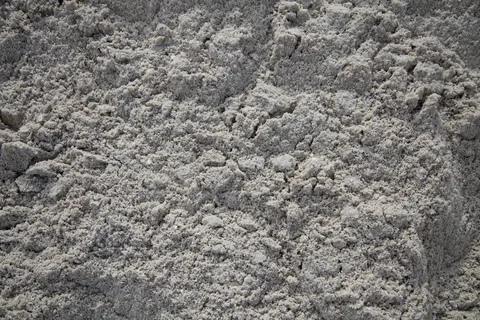
Most people assume sand is just sand. It looks similar in a pile. It feels the same when you run it through your hands. But once it’s mixed, poured, or finished, the differences become obvious. That’s usually when contractors and builders start asking questions about concrete sand and why certain mixes perform better than others.

At Western Materials, we see this confusion regularly. Projects don’t fail because of the big decisions. They fail because of the small material choices that get overlooked. Sand is one of those materials. It plays a much larger role in strength, finish, and durability than most people expect.

Not All Sand Is Meant for Structural Work

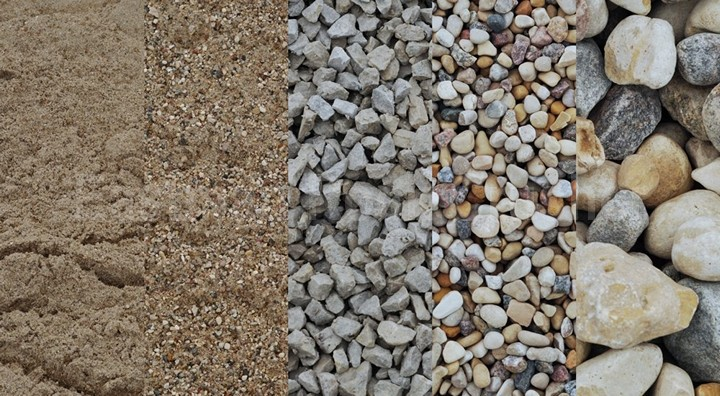
Construction sand comes in many forms. Each type is processed differently, graded differently, and intended for specific applications. Using the wrong one does not always cause immediate failure, which makes mistakes harder to catch early.

Some sands are too fine. Others are too rounded. Some contain impurities that weaken mixes over time. Concrete applications demand consistency, angularity, and proper gradation. Without those qualities, strength, and bonding suffer.

This is why understanding sand types matters before anything gets mixed or poured.

What Defines Concrete Sand

Concrete sand is manufactured and graded specifically for use in concrete and related structural applications. It is typically coarse, angular, and free of excess fines. Those angular edges allow particles to lock together when combined with cement and aggregate.

This structure creates internal strength. It reduces voids. It improves load distribution. These characteristics are what allow slabs, footings, and structural elements to hold up over time.

When builders choose concrete sand, they are choosing predictability. The mix behaves the same way from batch to batch, which matters on active job sites.

Why Particle Shape Matters More Than People Think

Round sand particles slide past each other. Angular particles grip.

That difference alone explains why certain sands fail in structural mixes. Rounded sands may feel smoother, but they lack the interlocking ability required for strength. Concrete relies on friction as much as it relies on cement.

Angular sand creates resistance inside the mix. That resistance is what gives concrete its compressive strength. Without it, mixes may cure, but they won’t perform the way they should.

How Other Sands Are Commonly Misused

Problems often start when builders substitute sands meant for finishing or aesthetic purposes into structural mixes. These sands may look clean, but their grading is wrong for load-bearing work.

This is where washed plaster sand is sometimes misunderstood. It is processed for smoothness and cleanliness, not structural interlock. It performs well in surface applications but behaves differently once stress is applied.

Using it incorrectly does not always cause immediate cracks. The issues usually show up later, under weight or environmental stress.

The Role of Washed Plaster Sand in Construction

Washed plaster sand has its place. It is clean, fine, and consistent. That makes it ideal for plastering, masonry finishes, and surface work where smooth texture matters more than internal strength.

Because it is washed, impurities are removed. That improves workability and finish quality. But the fine grading means it does not create the same internal resistance as coarser sands.

This is why washed plaster sand should be limited to applications for which it was designed. When used correctly, it performs exceptionally well.

Why Mixing Sands Creates Inconsistent Results

Some crews attempt to blend sands to achieve desired results. While this can work in controlled environments, it introduces variability on job sites.

Small changes in ratios affect curing, shrinkage, and finish. Without precise control, results vary from pour to pour. Consistency becomes difficult to maintain.

Professionals rely on purpose-graded materials to avoid this variability. Clear separation between structural and finishing sands reduces risk.

Common Sand Selection Mistakes

  • Assuming all sand performs the same
  • Choosing based on appearance instead of grading
  • Substituting finishing sand in structural mixes
  • Ignoring particle shape and angularity
  • Overlooking contamination or excess fines
  • Mixing sands without controlled ratios
  • Using leftover materials from other jobs
  • Prioritising cost over performance
  • Failing to match sand to application requirements

Most of these mistakes don’t show up immediately, which makes them easy to repeat.

Job-Site Performance Depends on Consistency

Consistency is what keeps schedules on track. When materials behave predictably, crews move faster. When they don’t, adjustments slow everything down.

Concrete that sets differently from one pour to the next creates finishing problems. Edges cure unevenly. Surfaces require correction. Time gets lost.

Reliable sourcing from suppliers like Western Materials reduces these issues. Materials are graded, tested, and delivered with performance in mind.

Environmental Factors Make Sand Choice Even More Important

Temperature changes, moisture levels, and load conditions all affect concrete performance. Sand that works marginally in ideal conditions may fail under stress.

Properly graded sand holds up better under environmental shifts. It drains correctly. It bonds consistently. It resists shrinkage.

Choosing the right sand isn’t just about today’s pour. It’s about how the structure behaves years from now.
Why Suppliers Matter as Much as Materials?

Material quality depends on sourcing, processing, and handling. Even the right type of sand can perform poorly if it’s inconsistent.

At Western Materials, products are selected and supplied with specific applications in mind. Builders don’t have to guess. They get materials that match job requirements.

This reliability is what keeps long-term projects moving without unnecessary setbacks.

Long-Term Durability Starts at the Aggregate Level

Concrete failures rarely begin at the surface. They start internally. Weak bonding. Poor interlock. Improper grading.

Sand choice influences all of these factors. Proper materials extend lifespan, reduce maintenance, and improve overall performance.

Cutting corners here often leads to expensive fixes later.

For dependable materials like washed plaster sand and structural-grade options, Western Materials helps you choose right the first time.

Frequently Asked Questions About Concrete Sand & Construction Sand

Can the wrong sand affect concrete strength even if the mix looks correct?
Yes. Particle shape and grading directly impact internal bonding, which determines long-term strength.

Why does plaster sand feel smoother than concrete sand?
It is finer and more uniform, which improves surface finishes but reduces structural interlock.

Is it ever acceptable to substitute sand on a job site?
Only when applications allow it, and grading is carefully controlled. Structural work should never rely on substitutions.

How does Western Materials help builders choose the right sand?
We supply graded materials and guide customers toward options that match performance needs, not just availability.