Why is Crush & Run the Preferred Base Material for Driveways & Roads?

Home Icon
Contractor X

Easy steps to create a color palette

Lorem ipsum dolor sit amet, consectetur adipiscing elit. Integer libero molestie gravida morbi aliquam, dui neque pharetra. Egestas accumsan, potenti pulvinar nisl a turpis sit sed vitae netus sed quis eget sed nunc ac faucibus lacus arcu aliquet lorem ut mauris amet tempor nunc sed cursus integer eget tellus in eu a est.

  • Neque sodales ut etiam sit amet nisl purus. Non tellus orci ac auctor.
  • Adipiscing elit ut aliquam purus sit amet. Viverra suspendisse potenti.
  • Mauris commodo quis imperdiet massa tincidunt nunc pulvinar.

What is a color palette?

Lorem ipsum dolor sit amet, consectetur adipiscing elit ac varius duis sed amet arcu pellentesque ipsum dui, pellentesque facilisis vitae feugiat dui vel quis consectetur sed aliquet platea nulla varius dignissim eget vel in nec nulla mauris at amet vitae pharetra id lectus rhoncus, erat sed.

Why defining interior color schemes is so important

Lorem ipsum dolor sit amet, consectetur adipiscing elit commodo risus eget feugiat amet pellentesque massa morbi in montes, pharetra id sagittis, sed. Id consequat nam egestas enim eu elementum sed at nibh.

  1. Neque sodales ut etiam sit amet nisl purus non tellus orci .
  2. Adipiscing elit ut aliquam purus sit amet viverra .
  3. Mauris commodo quis imperdiet massa tincidunt nunc.
  4. Adipiscing elit ut aliquam purus sit amet viverra suspendisse.

Why defining interior color schemes is so important

Nisi quis eleifend quam adipiscing vitae. Aliquet bibendum enim facilisis gravida neque. Velit euismod in pellentesque massa placerat. Volutpat lacus laoreet non curabitur gravida. Odio aenean sed adipiscing diam donec adipiscing tristique risus. Amet est placerat in egestas erat imperdiet sed euismod nisi.

What is your favorite color palette?

Eget lorem dolor sed viverra ipsum nunc aliquet bibendum. Felis donec et odio pellentesque diam volutpat commodo sed egestas. Aliquam sem fringilla ut morbi tincidunt augue interdum velit euismod. Eu tincidunt tortor aliquam nulla facilisi. Aenean sed adipiscing diam donec adipiscing. Ut lectus arcu bibendum at varius.

When you build a driveway or road, the top surface is not what keeps it together. What really matters is the base under it. If the base fails, the surface fails. We see this every week. A homeowner calls us because the driveway is sinking in some areas or holding water after every rain. Most of the time, the issue goes back to the wrong base material.

This is why so many contractors rely on crush and run gravel. It has become the go-to base for driveways and roads because it solves problems before they show up on the surface. If you want a base that stays tight, drains well, and supports real weight, this material is hard to beat.

Let us walk you through why it works so well and why people trust it for high-traffic surfaces.

What Makes Crush & Run Perform Better

We have worked with many base materials over the years. Some are clean stone. Some are sandier mixes. Some look good on paper but never hold up on site. Crush and run gravel is different because it has the right blend of coarse stone and stone fines.

The fines fill the gaps between the larger stones. When you compact it, the whole layer locks into a dense, stable base. You do not get the shifting that happens with clean stone, and you do not get the poor drainage that comes with soil-based materials.

A good crush and run base gives you:

  • Strong compaction

  • Excellent weight support

  • Smoother grading

  • Predictable drainage

  • Fewer long-term repairs

This is why we recommend it for driveways, farm roads, access roads, parking pads, and any surface that handles regular vehicle traffic.

Why Stability Matters So Much

A driveway or road looks simple from the top, but the forces under it are heavy. Cars and trucks transfer thousands of pounds onto a small area. Temperature changes move the surface up and down. Water tries to wash out the sides and weaken the center.

If the base is not stable, the whole structure starts to move. You may see small dips at first. Later, you start seeing cracks or areas that stay muddy for days.

We have repaired many surfaces that were built on sand, topsoil, or clean stone. These materials shift too easily or trap water. A compacted layer of crushed and run gravel solves those issues because the mix is engineered to stay in place.

You want the base to behave like a single solid layer. Crush and run does exactly that when installed correctly.

Drainage: The Quiet Problem You Need to Fix

Poor drainage ruins more driveways than anything else. Once water gets into soft soil, the base begins to pump and shift. You do not see the movement, but you see the result on the surface.

Crush and run has enough fines to compact tightly, but not so many that it traps water. Using it over a graded subbase gives you a layer that stays firm even after heavy rain.

If the driveway or road handles larger vehicles, we sometimes combine it with a class 2 base in lower layers for added strength. The two materials work well together because both are designed for structural support and compaction.

Tips From Our Experience

After many installations and repairs, we have learned a few things that matter if you want your base to last.

Use the right thickness

Most driveways need at least 4 to 6 inches of compacted crushed and run. Heavier traffic areas need 8 to 10 inches.

Compact in layers

Do not lay it all at once. Spread 2 inches, compact it, then add another 2 inches. This gives you a stronger base that will not settle unevenly.

Shape the crown

Driveways and roads need a slight center crown so water sheds off instead of pooling.

Lock the edges

Edging or simple soil berms keep the base from spreading outward over time.

These steps seem small, but together they make the base last longer.

When to Consider Crush & Run Over Other Materials

We often get asked whether gravel, clean stone, or recycled materials can replace crush and run. Every material has a place, but crush and run is the better choice when:

  • You want long-term durability

  • You expect regular vehicle traffic

  • You need a predictable compaction result

  • Drainage is a concern

  • You plan to top it with asphalt, pavers, or concrete

If the project requires a more engineered base, such as for commercial traffic, using a class 2 base under the crush and run can add strength and stability.

Working With Western Materials

If you want a driveway or road that holds up without constant patching, you need reliable material from a supplier who understands how these bases perform in real conditions. At Western Materials, we supply high-quality aggregates every day, including crush and run and structural base blends used across residential and commercial projects. We help customers choose the right base material and make sure they get consistent gradation that compacts the way it should.

Conclusion

A strong driveway or road starts with the right base. For most projects, crush and run gravel gives you the best mix of strength, compaction, and drainage. It helps your surface last longer, reduces maintenance, and handles everyday traffic without shifting.

Before you start your base, remember:

  • Use enough depth

  • Compact in layers

  • Shape the surface for drainage

  • Consider adding a class 2 base for heavier loads

With the right approach and the right materials, your driveway or road will stay solid for many years.

FAQs

1. What​‍​‌‍​‍‌​‍​‌‍​‍‌ is crushed and run gravel used for? 

Crush and run gravel is typically utilized as a supporting layer for driveways, roads, and parking pads since it can be compacted tightly and is able to handle heavy traffic. 

2. How thick should a crush-and-run base be? 

Generally, driveways require 4 to 6 inches of material after compaction. Areas with heavier traffic will probably need 8 to 10 inches for stability over time. 

3. Is crushed and run better than regular gravel? 

Indeed. Regular gravel moves more easily and does not compact as tightly. Crush and run forms a dense, stable layer that is retained. 

4. Can I combine crush and run with a class 2 base? 

Certainly, some contractors place a Class 2 base in the lower layers for extra strength and then put crush and run on top for easier compaction and better ​‍​‌‍​‍‌​‍​‌‍​‍‌drainage.

Why is Crush & Run the Preferred Base Material for Driveways & Roads?

Published on:

December 9, 2025

base material for driveways

When you build a driveway or road, the top surface is not what keeps it together. What really matters is the base under it. If the base fails, the surface fails. We see this every week. A homeowner calls us because the driveway is sinking in some areas or holding water after every rain. Most of the time, the issue goes back to the wrong base material.

This is why so many contractors rely on crush and run gravel. It has become the go-to base for driveways and roads because it solves problems before they show up on the surface. If you want a base that stays tight, drains well, and supports real weight, this material is hard to beat.

Let us walk you through why it works so well and why people trust it for high-traffic surfaces.

What Makes Crush & Run Perform Better

We have worked with many base materials over the years. Some are clean stone. Some are sandier mixes. Some look good on paper but never hold up on site. Crush and run gravel is different because it has the right blend of coarse stone and stone fines.

The fines fill the gaps between the larger stones. When you compact it, the whole layer locks into a dense, stable base. You do not get the shifting that happens with clean stone, and you do not get the poor drainage that comes with soil-based materials.

A good crush and run base gives you:

  • Strong compaction

  • Excellent weight support

  • Smoother grading

  • Predictable drainage

  • Fewer long-term repairs

This is why we recommend it for driveways, farm roads, access roads, parking pads, and any surface that handles regular vehicle traffic.

Why Stability Matters So Much

A driveway or road looks simple from the top, but the forces under it are heavy. Cars and trucks transfer thousands of pounds onto a small area. Temperature changes move the surface up and down. Water tries to wash out the sides and weaken the center.

If the base is not stable, the whole structure starts to move. You may see small dips at first. Later, you start seeing cracks or areas that stay muddy for days.

We have repaired many surfaces that were built on sand, topsoil, or clean stone. These materials shift too easily or trap water. A compacted layer of crushed and run gravel solves those issues because the mix is engineered to stay in place.

You want the base to behave like a single solid layer. Crush and run does exactly that when installed correctly.

Drainage: The Quiet Problem You Need to Fix

Poor drainage ruins more driveways than anything else. Once water gets into soft soil, the base begins to pump and shift. You do not see the movement, but you see the result on the surface.

Crush and run has enough fines to compact tightly, but not so many that it traps water. Using it over a graded subbase gives you a layer that stays firm even after heavy rain.

If the driveway or road handles larger vehicles, we sometimes combine it with a class 2 base in lower layers for added strength. The two materials work well together because both are designed for structural support and compaction.

Tips From Our Experience

After many installations and repairs, we have learned a few things that matter if you want your base to last.

Use the right thickness

Most driveways need at least 4 to 6 inches of compacted crushed and run. Heavier traffic areas need 8 to 10 inches.

Compact in layers

Do not lay it all at once. Spread 2 inches, compact it, then add another 2 inches. This gives you a stronger base that will not settle unevenly.

Shape the crown

Driveways and roads need a slight center crown so water sheds off instead of pooling.

Lock the edges

Edging or simple soil berms keep the base from spreading outward over time.

These steps seem small, but together they make the base last longer.

When to Consider Crush & Run Over Other Materials

We often get asked whether gravel, clean stone, or recycled materials can replace crush and run. Every material has a place, but crush and run is the better choice when:

  • You want long-term durability

  • You expect regular vehicle traffic

  • You need a predictable compaction result

  • Drainage is a concern

  • You plan to top it with asphalt, pavers, or concrete

If the project requires a more engineered base, such as for commercial traffic, using a class 2 base under the crush and run can add strength and stability.
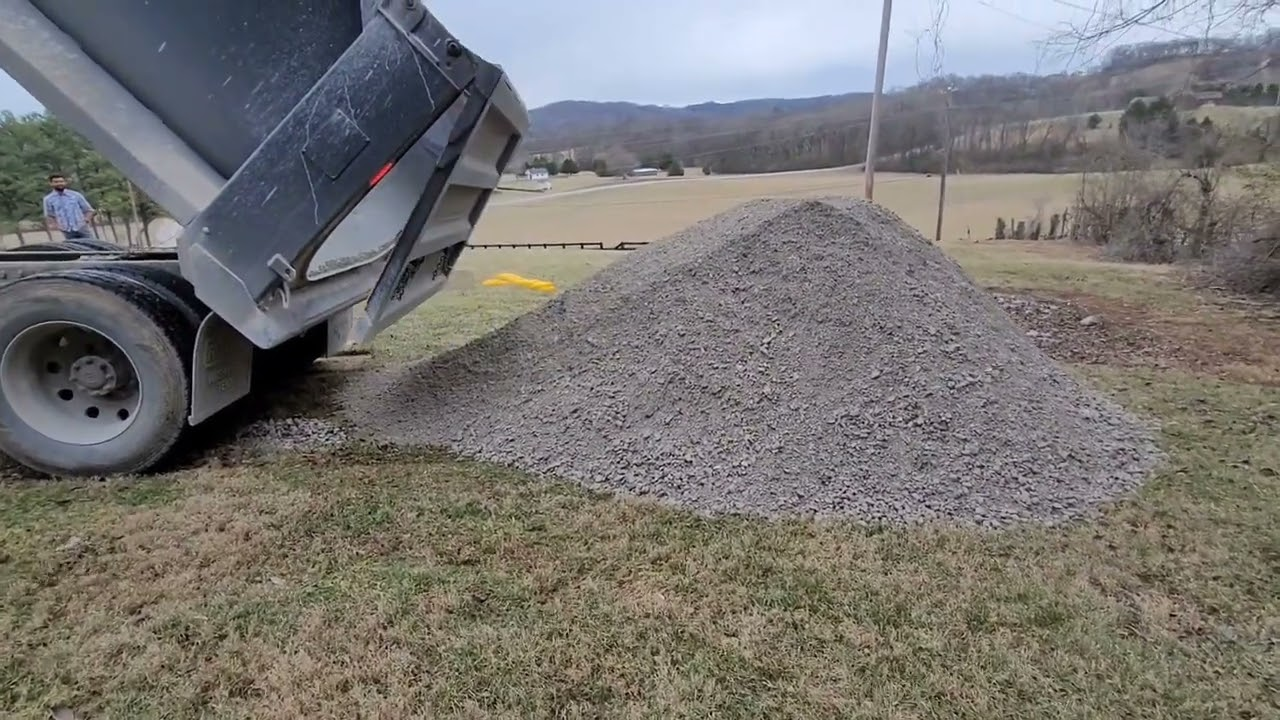
Working With Western Materials

If you want a driveway or road that holds up without constant patching, you need reliable material from a supplier who understands how these bases perform in real conditions. At Western Materials, we supply high-quality aggregates every day, including crush and run and structural base blends used across residential and commercial projects. We help customers choose the right base material and make sure they get consistent gradation that compacts the way it should.

Conclusion

A strong driveway or road starts with the right base. For most projects, crush and run gravel gives you the best mix of strength, compaction, and drainage. It helps your surface last longer, reduces maintenance, and handles everyday traffic without shifting.

Before you start your base, remember:

  • Use enough depth

  • Compact in layers

  • Shape the surface for drainage

  • Consider adding a class 2 base for heavier loads

With the right approach and the right materials, your driveway or road will stay solid for many years.

FAQs

1. What​‍​‌‍​‍‌​‍​‌‍​‍‌ is crushed and run gravel used for? 

Crush and run gravel is typically utilized as a supporting layer for driveways, roads, and parking pads since it can be compacted tightly and is able to handle heavy traffic. 

2. How thick should a crush-and-run base be? 

Generally, driveways require 4 to 6 inches of material after compaction. Areas with heavier traffic will probably need 8 to 10 inches for stability over time. 

3. Is crushed and run better than regular gravel? 

Indeed. Regular gravel moves more easily and does not compact as tightly. Crush and run forms a dense, stable layer that is retained. 

4. Can I combine crush and run with a class 2 base? 

Certainly, some contractors place a Class 2 base in the lower layers for extra strength and then put crush and run on top for easier compaction and better ​‍​‌‍​‍‌​‍​‌‍​‍‌drainage.