.png)

Why Are Wood Chips Popular in Green Infrastructure Projects?
Published on:
September 7, 2026
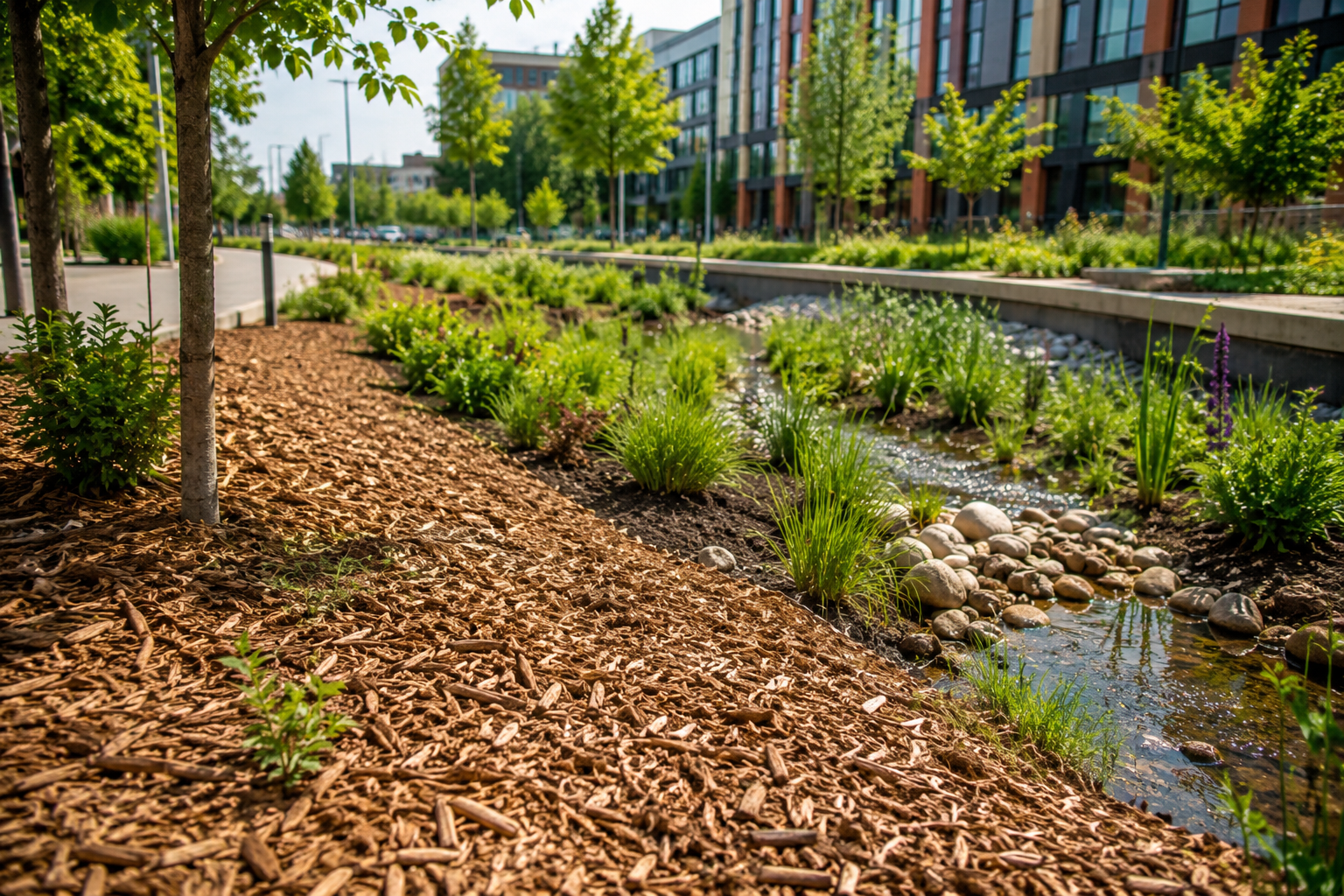
Green infrastructure projects need materials that work with nature. Landscaping wood chips fit that goal because they help protect soil, hold moisture, manage runoff, and support healthier planting areas. At Western Materials, we see strong demand for practical materials that support long-term landscape performance. Wood chips also add a clean finish without making a project feel overly constructed. For many sites, that balance matters. The material handles several basic needs while keeping installation simple. It can support planting beds, paths, drainage areas, and larger landscape plans. That useful mix makes wood chips a popular choice.
What Makes Wood Chips Useful for Green Infrastructure?
Green infrastructure focuses on water, soil, plants, and site function. The right surface material can support each part. Wood chips help create a protective layer across exposed ground. That layer reduces direct impact from rain and foot traffic. It also helps keep loose soil in place.
A good surface layer can lower maintenance needs. It can reduce bare spots and slow soil drying. Wood chips also blend well with planted areas. This helps projects look finished while still feeling natural. At Western Materials, we help customers choose materials based on site use, soil type, and project goals. That practical approach matters when one material must serve several purposes.
How Do Wood Chips Help With Stormwater Management?
Rain can move quickly across hard surfaces. Fast runoff can wash soil away and carry loose debris. Wood chips can slow that movement across planted spaces. The rough surface creates small gaps where water can settle. Some water then moves into the soil more gradually.
This process supports Stormwater management in many landscape settings. It works well around rain gardens, planted drainage areas, and open spaces. A wood chip layer can help soften rainfall impact before water reaches lower areas. This gives soil more time to absorb moisture. We look at grading and site conditions before recommending a material. Good placement matters as much as the material itself.
How Does Wood Chip Mulch Support Soil Health?
Healthy soil needs moisture, air, and steady organic input. A surface layer can support those basic needs. Wood chip mulch helps shade the soil during warm weather. That shade can slow moisture loss from the upper soil layer. It also protects the surface from harsh rain impact.
As a natural material breaks down, organic matter returns to the soil. That process can support better soil structure over time. It also creates a better setting for many landscape plants. Results can vary by chip type, depth, and site conditions, so understanding hardwood vs softwood wood chips can help with material selection for landscaping. We explain those details before material selection. That keeps the project focused on real use instead of appearance alone.
Why Is Landscape Mulch Helpful Around Planted Areas?
Planting beds often deal with weeds, dry soil, and surface wear. A mulch layer can help address each issue. Landscape mulch covers open soil and reduces direct sunlight. This can make weed growth easier to manage. It can also help protect plant roots from rapid temperature shifts.
The material works around shrubs, trees, and many garden beds. Proper depth still matters for good performance. A thin layer may give limited coverage and poor protection. A heavy layer can create separate problems around plant bases. We focus on the right amount for the intended use. That keeps the surface useful without creating avoidable issues.
Where Do Mulching Chips Work Best?
Mulching chips can fit several green infrastructure applications and commercial landscaping projects. Garden paths are one common example. Planted slopes can also benefit from a protective surface. Tree areas, buffer zones, and community spaces can use chips too.
The best choice depends on traffic, drainage, plant type, and appearance. Large chips can offer stronger surface coverage in some areas. Smaller pieces can provide a finer finish around detailed planting. Project goals should guide that choice. A material selected only for looks may perform poorly later. We help customers match chip size and material type with site demands.
Choose Quality Materials For Your Next Landscape Project
Get a Quote Today
Can Garden Wood Chips Improve Moisture Retention?
Water loss can become a major issue during warm periods. Bare soil can dry faster under strong sun and wind. Garden wood chips provide shade across the soil surface. This can help support Soil moisture retention around planted areas.
Moisture levels still depend on weather and irrigation. Soil type also affects how long water stays available. A mulch layer supports the process rather than replacing good watering practices. That distinction matters for landscape planning. At Western Materials, we recommend looking at the full site setup. Good mulch works best alongside suitable planting and watering methods.
How Do Wood Chips Support Erosion Control?
Loose soil can move during heavy rain and strong site runoff. Slopes face an even greater risk. A rough wood chip surface can slow surface water movement. This helps reduce direct soil loss in many landscape areas.
The result can support Erosion control around planted zones and open ground. Placement matters here as well. Steep slopes may need added drainage measures or stronger stabilization methods. Wood chips can support the plan, but site design still comes first. We encourage customers to consider drainage, slope, and surface flow before spreading material. That simple step can improve long-term results.
Why Are Wood Chips Considered a Sustainable Landscape Material?
Many green infrastructure projects look for materials that support natural processes. Wood chips come from woody material that can serve a useful second purpose. Proper use can reduce the need for bare soil coverings and synthetic surface products.
Organic breakdown also returns material to the soil over time. In some broader environmental systems, organic material can contribute to Carbon sequestration through soil and plant processes. Site conditions shape the actual result. A practical sustainability plan still needs proper sourcing and placement. We focus on that real-world side of material selection rather than making broad claims.
How Do Wood Chips Fit Permeable Landscape Systems?
Permeable areas need surfaces that allow water to move through or around the landscape. Wood chips can support these areas when the base and drainage design fit the application. They can cover soil while leaving small spaces across the surface.
This makes them useful in some Permeable landscape systems around gardens, pathways, and planted zones. The material works best when paired with sound grading and drainage planning. It also needs regular checks in high-use areas. We help customers think about the whole surface system. That includes the ground below the chips, not only the top layer.
Why Choose Wood Chips for Landscaping Instead of Other Covers?
Every landscape material has a different job. Wood chips for landscaping offer a useful mix of coverage, soil protection, moisture support, and natural appearance. They also work across many project types and property sizes.
Other materials may suit areas with heavier traffic or different drainage needs. Gravel, stone, and synthetic covers can also have specific advantages. The goal should always match the material with the site. At Western Materials, we help customers compare these practical factors before making a choice. That approach keeps the project efficient and helps avoid material changes later.
What Should You Consider Before Buying Wood Chips?
The right product starts with the site. Prefer locally sourced construction materials, as it can help simplify supply and control project costs. Consider drainage, slope, traffic, plant type, and expected maintenance. Chip size also affects how the surface looks and behaves.
Keep these points in mind:
- Match chip size with the project area.
- Check drainage before applying any surface layer.
- Use proper depth around plants and trees.
- Plan access for future maintenance and top-ups.
- Choose material quality based on intended use.
A little planning can prevent bigger issues later. Good material selection saves time during installation. It also makes future upkeep easier for property owners and crews.
Find Reliable Wood Chip Solutions For Your Project
Contact Us Today
Why Do Contractors Choose Landscaping Wood Chips From Western Materials?
Contractors need material that fits the job. They also need a steady supply, clear product information, and practical support. At Western Materials, we focus on those needs from the start.
We help customers review the intended use before ordering. That can include landscape beds, pathways, erosion areas, or larger green infrastructure plans. We also help compare material options when another surface may work better. The goal is simple. Provide the right material for the right application. That creates a better outcome for crews, property owners, and finished landscapes.
Conclusion
Green infrastructure works best when simple materials solve practical problems. Wood chips can support soil protection, moisture control, runoff reduction, and cleaner landscape design. With the right product and proper installation, the material can serve a useful role for years.
At Western Materials, we focus on making that choice easier. We look at the job, the site, and the finished goal before recommending material. For projects that need natural surface coverage, wood chips for landscaping can be a smart and practical option.
FAQs
1. Why are wood chips popular in green infrastructure projects?
Wood chips work well because the material supports several basic landscape needs at once. They can cover bare soil, reduce rain impact, hold moisture, and improve the finished appearance. Landscaping wood chips also suit gardens, planted slopes, pathways, and stormwater areas. The team helps match the right chip type with the site conditions and expected use.
2. Can wood chips help control stormwater runoff?
Yes, wood chips can help slow surface water movement across planted areas. The rough surface creates spaces where water can settle before moving through the soil. This support can reduce fast runoff and lower surface soil loss. The company reviews grading, drainage, and site layout first. That helps customers use stormwater management materials with greater purpose.
3. How do wood chips help garden soil retain moisture?
Wood chips cover exposed soil and reduce direct heat from sunlight. That surface cover can slow water loss during warm or dry periods. The result can support healthier planting areas with more stable soil moisture. The company recommends material depth based on plant type and site use. Proper watering still matters. Mulch supports the system rather than replacing basic care.
4. Are wood chips suitable for erosion control projects?
Wood chips can support erosion protection across planted slopes, open soil areas, and rain-affected spaces. The loose surface helps reduce direct rainfall impact and can slow moving water. Site slope and drainage still guide the final material choice. The management team reviews the surrounding conditions before recommending a product. Erosion control works best when the surface material supports a larger site plan.
5. Do Wood Chips Need Regular Maintenance After Installation?
Wood chips usually need occasional maintenance because natural weather and decomposition change the surface over time. Rain can move material, while foot traffic can create thin spots. Fresh material may become useful when coverage drops below the level needed for soil protection. Regular inspection helps keep the area even, functional, and clean without requiring constant landscape work.
.avif)
Materials management and founders
have produced and supplied high quality
sand and gravel to contractors &
aggregate users across California.
.svg)
.svg)


