What Materials Are Needed to Build a Pro-Level Volleyball Court in San Francisco?

Home Icon
Contractor X
August 22, 2024

Easy steps to create a color palette

Lorem ipsum dolor sit amet, consectetur adipiscing elit. Integer libero molestie gravida morbi aliquam, dui neque pharetra. Egestas accumsan, potenti pulvinar nisl a turpis sit sed vitae netus sed quis eget sed nunc ac faucibus lacus arcu aliquet lorem ut mauris amet tempor nunc sed cursus integer eget tellus in eu a est.

  • Neque sodales ut etiam sit amet nisl purus. Non tellus orci ac auctor.
  • Adipiscing elit ut aliquam purus sit amet. Viverra suspendisse potenti.
  • Mauris commodo quis imperdiet massa tincidunt nunc pulvinar.

What is a color palette?

Lorem ipsum dolor sit amet, consectetur adipiscing elit ac varius duis sed amet arcu pellentesque ipsum dui, pellentesque facilisis vitae feugiat dui vel quis consectetur sed aliquet platea nulla varius dignissim eget vel in nec nulla mauris at amet vitae pharetra id lectus rhoncus, erat sed.

Why defining interior color schemes is so important

Lorem ipsum dolor sit amet, consectetur adipiscing elit commodo risus eget feugiat amet pellentesque massa morbi in montes, pharetra id sagittis, sed. Id consequat nam egestas enim eu elementum sed at nibh.

  1. Neque sodales ut etiam sit amet nisl purus non tellus orci .
  2. Adipiscing elit ut aliquam purus sit amet viverra .
  3. Mauris commodo quis imperdiet massa tincidunt nunc.
  4. Adipiscing elit ut aliquam purus sit amet viverra suspendisse.

Why defining interior color schemes is so important

Nisi quis eleifend quam adipiscing vitae. Aliquet bibendum enim facilisis gravida neque. Velit euismod in pellentesque massa placerat. Volutpat lacus laoreet non curabitur gravida. Odio aenean sed adipiscing diam donec adipiscing tristique risus. Amet est placerat in egestas erat imperdiet sed euismod nisi.

What is your favorite color palette?

Eget lorem dolor sed viverra ipsum nunc aliquet bibendum. Felis donec et odio pellentesque diam volutpat commodo sed egestas. Aliquam sem fringilla ut morbi tincidunt augue interdum velit euismod. Eu tincidunt tortor aliquam nulla facilisi. Aenean sed adipiscing diam donec adipiscing. Ut lectus arcu bibendum at varius.

Building a legit sand volleyball court in San Francisco sounds simple until you actually start planning it. On paper, it’s “sand, some lines, a net.” In reality, getting it right takes the same level of detail you’d expect from any pro setup. The Bay Area’s soil, weather, and moisture don’t cut you any slack. Use the wrong materials and your court turns into a soggy mess, a rock pit, or a hardpan slab after the first weekend of play.

If you want a court that feels like the real deal, you need the right materials. For anyone searching for sand volleyball in San Francisco, this means sand that drains well, a solid base, and layers that hold up under constant use. Since you’re probably building this court to last, not just to look good in photos, here’s the honest breakdown of what you actually need.

Sand First. Everything Else Second.

Let’s start with the thing everyone notices right away: the sand. When players hit the court, they know in the first two steps whether the sand is good or garbage. Pro-level sand has a very specific feel. It’s soft enough to dive into but not so soft that you sink ankle-deep. It drains fast. It doesn’t kick up annoying dust clouds. And it’s clean. No pebbles, no grit, no clay chunks hiding in the mix.

In San Francisco, the sand matters even more because humidity, fog, and salt air can make the wrong sand clump or compact. Regular construction sand is a no-go. Beach sand usually has way too much fine material. For sand volleyball San Francisco courts, you need volleyball-grade sand that’s washed, screened, and built for gameplay.

Western Materials supplies exactly that. It’s consistent, clean, and made for players who actually care how the surface feels under their feet. If you’re searching for volleyball sand for sale and want the real tournament-type stuff, this is it.

Don’t Skip the Base Layer

Here’s the part people try to cheap out on. And they pay for it later.

Under the sand, you need a solid base layer. San Francisco soil holds water differently from inland areas. If you pour sand straight onto dirt, the court gets uneven, muddy, or rock-hard. None of those are fun to play on.

A solid base keeps your sand draining, level, and stable. Most builders use crushed rock or decomposed granite. Nothing fancy, just the right size, compacted well. A 3/8 inch crushed rock base works best, handling heavy fog or rain without sinking.

The Layer Everyone Forgets: Drainage Fabric

Skip the drainage fabric and you’ll regret it. This thin layer sits between the base and the sand, stopping mud from creeping up and keeping the sand playable. Without it, the top few inches quickly lose that perfect volleyball feel. They feel like whatever the soil beneath decides to give you.

Drainage fabric isn’t expensive, and installation is easy. But it’s one of the biggest upgrades you can make to the life and feel of your court.

Border Material That Actually Holds Up

Once you’ve got sand and a base, you need something to keep everything contained. Otherwise, wind, feet, and gravity drag your sand all over the place. Most people go with pressure-treated timber because it’s affordable and simple. Some go with concrete curbing because it’s durable. Composite or rubber edging works too if you want something low-maintenance.

The border doesn’t have to be complicated. It just needs to be sturdy and level. If it shifts, your court shifts with it.

Hardware That Makes It Feel “Pro”

The poles, sleeves, and net are what turn a sand pit into an actual volleyball court. For a pro feel, you’ll want steel poles set into concrete sleeves so the tension stays consistent. The net should be competition-grade, and the boundary lines should be visible, durable, and able to stay in place even when the weather kicks up.

This part is worth investing in because cheap hardware is exactly what snaps or sags first.

Smart Extras If You Want a Premium Court

None of these are required, but they make your court nicer, safer, and more enjoyable, especially if you’re expecting regular play.

  • A sand groomer to keep the surface even
  • Perimeter fencing if your court is near roads, buildings, or neighbors
  • Lighting for nighttime matches
  • Shade structures for hot days
  • Wind screens if you’re in a breezy spot

These extras don’t define the court, but they definitely improve the experience.

How Much Sand Do You Actually Need?

For a regulation court, plan for 100 to 200 tons of sand. Pros recommend 12 to 18 inches across the playing area and safety perimeter. Go thinner, and every step feels sloppy.

Why High-Quality Sand Matters More in San Francisco

San Francisco’s environment is weirdly tough on sand. The sun quickly dries everything out after the fog rolls in and the moisture lingers. Depending on the day, bad sand can compact, clump, become dusty, or turn into thick muck. Volleyball-grade sand is designed to stay playable during all that. That’s why the grain size matters. That’s why cleanliness matters. That’s why sourcing it from the right place matters.

When players describe a court as "feeling good," they are actually observing the quality of the sand and how well the court drains. Everything else can be changed over time if you get those two right. But if you get them wrong, the court never plays right.

Quick Checklist for a Pro-Level Volleyball Court

  • Volleyball-grade sand
  • Crushed rock or decomposed granite base
  • Geotextile drainage fabric
  • Strong border material
  • Steel poles, concrete sleeves, and a competition net
  • Optional upgrades like fencing, lighting, or a groomer

Bottom Line

A pro-level sand volleyball court in San Francisco isn’t just sand dumped into a box. It’s a layered system built to handle coastal weather, constant play, and Bay Area soil conditions. The right materials make all the difference, especially the sand.

Western Materials supplies high-quality sand, crushed rock, and other materials built for real play, not shortcuts. We offer high-quality volleyball sand for sale, perfect for creating a court that truly feels professional.

Please let us know if you need a version for San Jose, Oakland, or Sacramento, or if you would like this to be made into a location-specific landing page.

FAQs

What materials are needed for a volleyball court?

Clean, washed sand is the star. Add a solid crushed rock or granite base, drainage fabric, borders, steel poles, a net, and lines.

What are pro volleyball courts made of?

Tournament-grade sand that drains fast. A compacted base that holds up. Geotextile fabric, sturdy borders, steel poles, and a tensioned net complete the setup.

How much does it cost to build a volleyball court?

It depends. Sand quality, base material, and hardware matter most. Cutting corners saves money now, but ruins the court later.

What is the construction of a volleyball court?

Stable base first. Layer drainage fabric, spread sand evenly, then add borders. Set poles, attach the net, and smooth the surface for real play.

What Materials Are Needed to Build a Pro-Level Volleyball Court in San Francisco?

Published on:

December 9, 2025

Building a legit sand volleyball court in San Francisco sounds simple until you actually start planning it. On paper, it’s “sand, some lines, a net.” In reality, getting it right takes the same level of detail you’d expect from any pro setup. The Bay Area’s soil, weather, and moisture don’t cut you any slack. Use the wrong materials and your court turns into a soggy mess, a rock pit, or a hardpan slab after the first weekend of play.

If you want a court that feels like the real deal, you need the right materials. For anyone searching for sand volleyball in San Francisco, this means sand that drains well, a solid base, and layers that hold up under constant use. Since you’re probably building this court to last, not just to look good in photos, here’s the honest breakdown of what you actually need.

Sand First. Everything Else Second.

Let’s start with the thing everyone notices right away: the sand. When players hit the court, they know in the first two steps whether the sand is good or garbage. Pro-level sand has a very specific feel. It’s soft enough to dive into but not so soft that you sink ankle-deep. It drains fast. It doesn’t kick up annoying dust clouds. And it’s clean. No pebbles, no grit, no clay chunks hiding in the mix.

In San Francisco, the sand matters even more because humidity, fog, and salt air can make the wrong sand clump or compact. Regular construction sand is a no-go. Beach sand usually has way too much fine material. For sand volleyball San Francisco courts, you need volleyball-grade sand that’s washed, screened, and built for gameplay.

Western Materials supplies exactly that. It’s consistent, clean, and made for players who actually care how the surface feels under their feet. If you’re searching for volleyball sand for sale and want the real tournament-type stuff, this is it.

Don’t Skip the Base Layer

Here’s the part people try to cheap out on. And they pay for it later.

Under the sand, you need a solid base layer. San Francisco soil holds water differently from inland areas. If you pour sand straight onto dirt, the court gets uneven, muddy, or rock-hard. None of those are fun to play on.

A solid base keeps your sand draining, level, and stable. Most builders use crushed rock or decomposed granite. Nothing fancy, just the right size, compacted well. A 3/8 inch crushed rock base works best, handling heavy fog or rain without sinking.

The Layer Everyone Forgets: Drainage Fabric

Skip the drainage fabric and you’ll regret it. This thin layer sits between the base and the sand, stopping mud from creeping up and keeping the sand playable. Without it, the top few inches quickly lose that perfect volleyball feel. They feel like whatever the soil beneath decides to give you.

Drainage fabric isn’t expensive, and installation is easy. But it’s one of the biggest upgrades you can make to the life and feel of your court.

Border Material That Actually Holds Up

Once you’ve got sand and a base, you need something to keep everything contained. Otherwise, wind, feet, and gravity drag your sand all over the place. Most people go with pressure-treated timber because it’s affordable and simple. Some go with concrete curbing because it’s durable. Composite or rubber edging works too if you want something low-maintenance.

The border doesn’t have to be complicated. It just needs to be sturdy and level. If it shifts, your court shifts with it.

Hardware That Makes It Feel “Pro”

The poles, sleeves, and net are what turn a sand pit into an actual volleyball court. For a pro feel, you’ll want steel poles set into concrete sleeves so the tension stays consistent. The net should be competition-grade, and the boundary lines should be visible, durable, and able to stay in place even when the weather kicks up.

This part is worth investing in because cheap hardware is exactly what snaps or sags first.

Smart Extras If You Want a Premium Court

None of these are required, but they make your court nicer, safer, and more enjoyable, especially if you’re expecting regular play.

  • A sand groomer to keep the surface even
  • Perimeter fencing if your court is near roads, buildings, or neighbors
  • Lighting for nighttime matches
  • Shade structures for hot days
  • Wind screens if you’re in a breezy spot

These extras don’t define the court, but they definitely improve the experience.
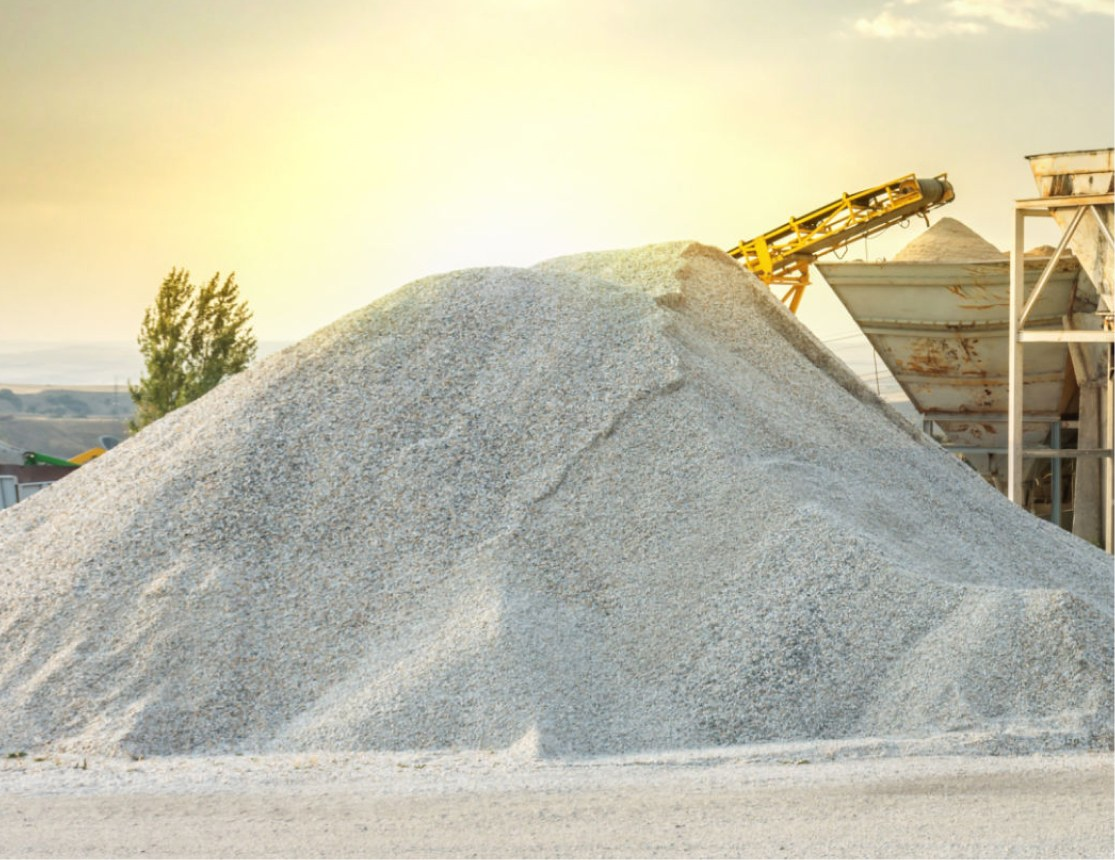
How Much Sand Do You Actually Need?

For a regulation court, plan for 100 to 200 tons of sand. Pros recommend 12 to 18 inches across the playing area and safety perimeter. Go thinner, and every step feels sloppy.

Why High-Quality Sand Matters More in San Francisco

San Francisco’s environment is weirdly tough on sand. The sun quickly dries everything out after the fog rolls in and the moisture lingers. Depending on the day, bad sand can compact, clump, become dusty, or turn into thick muck. Volleyball-grade sand is designed to stay playable during all that. That’s why the grain size matters. That’s why cleanliness matters. That’s why sourcing it from the right place matters.

When players describe a court as "feeling good," they are actually observing the quality of the sand and how well the court drains. Everything else can be changed over time if you get those two right. But if you get them wrong, the court never plays right.

Quick Checklist for a Pro-Level Volleyball Court

  • Volleyball-grade sand
  • Crushed rock or decomposed granite base
  • Geotextile drainage fabric
  • Strong border material
  • Steel poles, concrete sleeves, and a competition net
  • Optional upgrades like fencing, lighting, or a groomer

Bottom Line

A pro-level sand volleyball court in San Francisco isn’t just sand dumped into a box. It’s a layered system built to handle coastal weather, constant play, and Bay Area soil conditions. The right materials make all the difference, especially the sand.

Western Materials supplies high-quality sand, crushed rock, and other materials built for real play, not shortcuts. We offer high-quality volleyball sand for sale, perfect for creating a court that truly feels professional.

Please let us know if you need a version for San Jose, Oakland, or Sacramento, or if you would like this to be made into a location-specific landing page.

FAQs

What materials are needed for a volleyball court?

Clean, washed sand is the star. Add a solid crushed rock or granite base, drainage fabric, borders, steel poles, a net, and lines.

What are pro volleyball courts made of?

Tournament-grade sand that drains fast. A compacted base that holds up. Geotextile fabric, sturdy borders, steel poles, and a tensioned net complete the setup.

How much does it cost to build a volleyball court?

It depends. Sand quality, base material, and hardware matter most. Cutting corners saves money now, but ruins the court later.

What is the construction of a volleyball court?

Stable base first. Layer drainage fabric, spread sand evenly, then add borders. Set poles, attach the net, and smooth the surface for real play.