.png)

How Does Stone Hardness Affect Cobblestone Performance?
Published on:
August 28, 2026
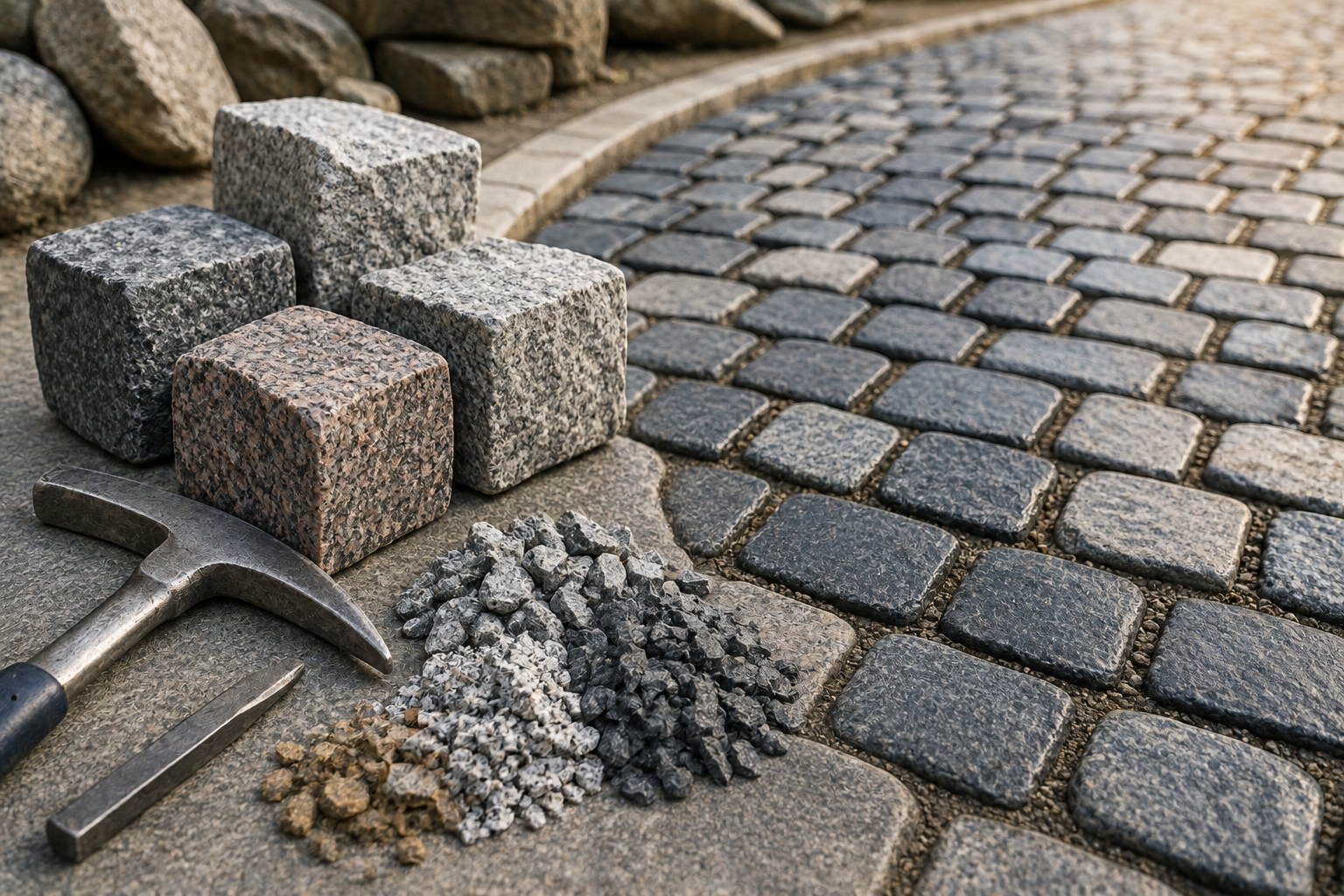
Most folks pick cobblestones based on a quick look at a brochure. That’s a mistake. You can’t just grab the prettiest rock and expect it to survive a decade of heavy rain and car tires. If you ignore the actual density of the stone, you are throwing your money into a hole. That is exactly how Cobblestone performance goes downhill fast. At Western Materials, we see this error every single season. Forget about the colors and pay attention to the technical specifications, or you will be pulling out that road even before you have paid for it.
Understanding the Mohs Hardness Scale
All rocks do not possess the same genetic makeup. The Mohs hardness scale is a method used by geologists to assess minerals according to their resistance to scratches and pressure. All those items that lie at the lower end of this scale will be worn out by weathering and erosion.
- Soft rocks belong in a garden bed, never a driveway.
- Harder stones actually keep their shape under pressure.
- Check the number on the scale before you commit to a purchase.
Why You Need Real Stone Durability
Some people honestly believe stone is invincible. It isn’t. Stone durability varies greatly according to how the stone was formed back in the day. You want something that is not going to crack at the first sign of freezing temperatures, especially when considering how long cobblestone rock installations typically last.”
- Cheap rock chips easily when the ground shifts.
- Quality stone stays solid for thirty years or more.
- Don't buy off a filtered photo; buy based on the material's density.
Ready to start your project but not sure which stone is tough enough?
Get Expert Material Advice
Fighting Back Against Abrasion
Abrasion resistance means "How well does this rock stand up against rubbing?" Just picture your driveway. Tires, shoes, gritty mud, and heavy rain; it is basically a constant sanding session.
- Soft stones lose their edges and turn smooth after a few months.
- Dense rocks hold their grit and look clean for years.
- If your path is shedding dust, your stone is failing the test.
Picking a Hard Cobblestone
In case you intend to use your truck on it, go for hard cobblestone. Do not make an attempt to cut costs by using other options. Igneous rocks are your best friend here. They are dense, tight, and totally indifferent to the weather.
- Basalt is a literal beast for outdoor projects.
- Granite is essentially forever for housing applications.
- These rocks have low water absorption, making them less vulnerable to the damage caused by freeze-thaw cycles.
Checking the Compressive Strength
In considering cobblestone rocks for sale, weight becomes a factor to consider. The compressive strength of the rocks acts as the barrier that keeps a smooth drive from being cracked.
- Heavy vehicles need stones with high-strength ratings.
- Don't guess; look at the actual data sheet from the yard.
- It is always better to pay more once than to replace the whole job twice.
Choosing the Right Paving Stone
Selecting the proper paving stones is not rocket science; however, it is not guesswork either. If it is only for decoration in your backyard, okay, then go cheap. But for a high-traffic driveway? Use common sense and get the specs.
- The rock should be matched according to the real traffic, along with factors such as particle shape and whether angular gravel and rounded gravel are better suited to the application.
- You will get into trouble in the future if you do not read the technical specifications.
- Always find out the source of the rock before signing any contract.
Optimizing Cobblestone Performance
If you ignore the math, you lose. A soft rock is just a future pile of gravel. Protect your investment by picking the right density from day one. Good stones keep a project looking new, while proper aggregate interlock can also help improve stability where the paving materials meet
- Skip the sandstone for any high-traffic areas.
- Sealers help, but they won't fix a stone that is naturally too soft.
- Hire an installer who knows how to handle dense materials properly.
Why Quality Matters at Western Materials
At Western Materials, we don't care about selling you whatever is "trendy" if it’s going to fall apart by next spring. We focus on the factors that determine construction rock quality, including hardness, density, durability, and resistance to weathering. You want a driveway that stays flat? That’s what we do. We have the inventory to back it up, and we aren't going to sell you a lemon. We want you to call us back for your next job because the first one still looks brand new.
Conclusion
At the end of the day, your outdoor project is only as good as the material underneath it. Don't let a bad choice ruin your weekend plans or your property value. When you take the time to compare hardness and density, you aren't just buying rocks; you are buying peace of mind. Investing in the right material now means you can spend your weekends enjoying your yard instead of fixing it.
FAQ
1. Why do you emphasize stone hardness for Cobblestone performance?
We emphasize hardness because it determines the total lifespan of your project. Soft stones crumble under heavy vehicle weight, while our dense, hard-stone selections ensure your driveway stays flat and functional. We want you to avoid the unnecessary cost of frequent repairs.
2. How do I tell if a stone is hard enough for my needs?
The best way is to review the geological data sheets for the product. Seek out materials that have a high Mohs rating and proven compressive strength figures. In case you are not sure, try testing a sample using a steel tool to determine whether the material surface is too soft.
3. Does the color of the stone indicate how it will perform?
Color is not an indicator of strength. A light-colored rock may be extremely durable, whereas a dark-colored rock may be very soft and porous. One must never go by the looks only, but ascertain that the mineral is tough enough for high-traffic areas.
4. Why is limestone often discouraged for high-traffic driveways?
Limestone is a sedimentary rock that is naturally softer than igneous options like granite. Under the weight of modern vehicles, it is prone to cracking, chipping, and absorbing oils. This leads to staining and structural issues that are very difficult to fix once installed.
5. How does the local climate change which stone I should pick?
Climate is a major factor due to water absorption. Porous stones soak up moisture, which freezes and expands in winter, causing the rock to split. Choosing low-porosity, high-density stone prevents this freeze-thaw damage, ensuring your project survives even the harshest seasonal weather cycles.
.avif)
Materials management and founders
have produced and supplied high quality
sand and gravel to contractors &
aggregate users across California.
.svg)
.svg)


