.png)

How Do Locally Sourced Materials Reduce Project Costs?
Published on:
August 3, 2026
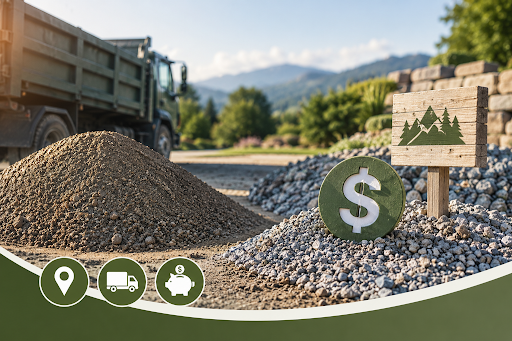
Managing a construction budget often feels like balancing a moving scale. Material prices fluctuate, labor costs shift, and unexpected schedule delays can quickly erode profit margins. While project managers spend hours negotiating base pricing on raw goods, one of the largest cost drivers is frequently overlooked: supply chain distance. Heavy aggregates, fill sand, and base rocks carry substantial freight overhead when hauled across long distances. Sourcing these essentials closer to your site is one of the most effective ways to regain control over project expenditures.
Partnering with an experienced California supplier like Western Materials for your locally sourced construction materials gives your job site a direct financial advantage. By cutting down transit mileage, reducing fuel surcharges, and streamlining site deliveries, local procurement keeps hard costs manageable without sacrificing material performance.
Lowering Freight and Transport Fees Across Job Sites
Heavy commodities like crushed rock, gravel, and fill dirt are cheap by the ton, but expensive to move. Transporting aggregate products over long distances shifts your spending from the actual product to hauling fees. In many cases, long-distance freight charges can equal or even exceed the wholesale value of the materials themselves.
Working with a nearby partner eliminates excessive ton-mile charges. Short transit routes allow haulers to complete more round trips per day using standard bottom dumps, end dumps, or Super 10 trucks. This efficiency translates into lower overall rates for construction material delivery. When you order a bulk aggregate supply from a local yard, you pay primarily for the physical material going into your foundation or roadway rather than paying a truck driver to sit on interstate corridors.
Mitigating Fuel Price Volatility and Surcharges
Diesel fuel prices stay hard to pin down; they’re notoriously unpredictable. For long-haul logistics, especially on routes, contractors still get hit because fuel surcharges- those things can shift week by week. So a project bid that’s built around spring fuel pricing can still creep over budget by mid-summer if materials are hauled from far-off quarries.
Shorter haul distances provide immediate protection against fuel spikes. A local aggregate supplier works within a tight radius, so fuel usage stays low and quite predictable. Fewer miles per load means the baseline transport costs are lower, and the surcharge adjustments on the final invoices stay smaller too. That consistency makes it much easier for project estimators to lock in accurate hard money bids, and protect profit margins from sudden market swings.
Save on transport fees with local aggregate supply.
Request A Quote
Preventing Costly Delays and Staging Bottlenecks
In construction, time directly equates to labor costs. When grading teams, concrete finishers, or paving teams sit idle waiting for material shipments to arrive, daily labor burn rates climb rapidly. Long-distance deliveries are inherently prone to regional highway traffic jams, port delays, and highway weigh-station bottlenecks.
Establishing a reliable line with a local sand and gravel supplier drastically reduces delivery risk. Local staging yards can adjust to real-time site needs, offering same-day dispatches or flexible drop times. Whether you need specialized base rock or a dedicated San Diego rock supply for regional earthwork, local dispatchers can react quickly to field adjustments. Keeping equipment rolling and crews moving prevents expensive downtime penalties and project deadline overruns.
Matching Regional Standards and Native Soil Requirements
Using regional materials also reduces expenses tied to site preparation and engineering adjustments. Native geological formations vary widely across geographic zones. Materials mined out-of-state or from distant geology often react differently to local moisture levels, compaction specifications, and soil chemistry.
Locally quarried rock, gravel, and other building materials fit regional geotechnical needs naturally. The local quarries crush and process rock that is made for municipal and state building codes. Like, when you use local construction-grade sand, it helps with proper compaction, better water movement, and a concrete mix that matches the local climate. Getting the right material specifications on the first delivery drop really cuts down costly site rework and reduces re-testing delays. It also lowers the chance of inspectors rejecting the material, which is a pain in the end.
Streamlining Logistics and On-Site Material Staging
Large job sites, especially in really dense city areas, often don’t have the physical room they need to stockpile huge volumes of aggregate well ahead of schedule. Keeping the material on-site can cause extra waste, like erosion losses, and vehicle carryover issues, plus those annoying double-handling charges when the piles have to be dragged out of the way later.
Local supply networks make just-in-time (JIT) material delivery realistic. Instead of taking delivery of fifty tons all at once, contractors can schedule smaller, sequential drops throughout the workday. This keeps job sites clean, reduces on-site equipment requirements, and limits material degradation, helping your operation run efficiently from site prep to final cleanup.
Lowering Environmental Compliance and Permitting Expenses
Modern commercial and public projects increasingly tie financial incentives to environmental performance. Long-haul trucking generates high carbon emissions, which can complicate municipal environmental compliance or lower LEED project scoring.
Sourcing heavy aggregates locally can reduce total diesel burn and emissions from the vehicles, a lot more than people assume. In the context of green building frameworks, short supply chains are often rewarded with credits that then can unlock municipal tax incentives, help speed up permit approvals, or support very strict local hiring and sourcing mandates. When you keep the supply chain near enough, you also minimize regulatory hurdles, which directly saves time and a bit of administrative capital during the pre-construction phase.
Partner with Western Materials for reliable, cost‑effective deliveries.
Talk to Our Team
Conclusion
Controlling the cost of construction means you have to manage every link in the supply chain. If you minimize transit distances, cut out those extra freight fees, and keep site labor moving, then going with locally sourced construction materials helps your projects stay on schedule and not go over budget. By partnering with Western Materials - your local aggregate supplier for construction materials- you’re also protecting your bottom line through dependable local supply, competitive regional pricing, and dependable delivery options that match your job site needs.
Frequently Asked Questions
How do locally sourced construction materials lower total project expenses?
Picking locally sourced construction materials through Western Materials can lower expenses because the haul distances shrink. That also means less fuel surcharge and smaller freight charges. When trucks travel a shorter stretch, deliveries tend to arrive quicker, so the crew stays busy on site. In the end, it also helps avoid those costly downtime penalties that can happen when far-away shipments get delayed.
What is the highest hidden cost when hauling aggregate materials long distances?
The highest hidden cost tends to be freight inflation. Moving heavy stone, gravel, or sand over longer distances starts to stack up ton-mile charges and fuel surcharges pretty quickly. In a lot of cases, those long-distance transport fees can end up being higher than the original wholesale price for the aggregate materials themselves.
Why are local aggregate suppliers better for tight project schedules?
Local suppliers usually work near your site, so same-day or flexible staggered deliveries become possible. They can quickly adjust if sudden weather changes happen, or if your site schedule shifts, and that means the materials arrive right when your grading or paving crews need them, not too early and not too late.
Does choosing local sand and gravel impact structural quality or compliance?
Yes, in a good, proper way. Local aggregates naturally match the regional soil conditions, the compaction standards, and the municipal building codes too. Local sand and gravel are processed so they satisfy regional engineering specifications, and that helps reduce the risk of material being rejected or having costly structural rework later on, which is a big deal.
How does bulk aggregate supply delivery reduce site labor overhead?
Scheduled bulk deliveries keep earthmoving equipment and site teams working continuously without those unexpected pauses that show up out of nowhere. With staggered local deliveries too, you can remove the whole need to double-handle stockpiles on tight job sites, which means saving equipment fuel, reducing machine wear, and cutting back manual labor hours.
.avif)
Materials management and founders
have produced and supplied high quality
sand and gravel to contractors &
aggregate users across California.
.svg)
.svg)


